
Primetime vs. Meantime: A New Framework for a New Era of Content Consumption
If we deeply understand the very different moments when media is consumed today, we can better craft content that satisfies.

The landscape of media consumption has dramatically shifted in the past two decades, with the rise of digital platforms altering not only how but when we engage with content. Traditionally, television and movies have dominated what I refer to as “primetime” viewing—those golden hours when families and individuals sit down to watch professionally produced, high-budget programming. However, the emergence and expansion of platforms such as YouTube, TikTok, and Instagram has introduced a different category of content that fills in the gaps of our daily routines: short-form, user-generated media that is consumed in brief intervals, or what I call “meantime” content.
The terms "primetime" and "meantime" provide a fresh framework for understanding these divergent consumption patterns. Primetime refers to content consumed as a dedicated, sit-down experience, while meantime content is what we scroll through during in-between moments—while commuting, waiting in line, or taking a break from work. This article aims to define and contrast these two modes of media consumption and explore the implications for the future of content creation and distribution.
Defining Primetime and Meantime
Primetime Content refers to professionally produced media, typically in the form of movies, TV shows, and premium streaming series. These are high-budget productions that require a substantial investment of both time and attention from the viewer. It is consumed during a designated viewing period, typically in the evening or on weekends, when viewers are in a relaxed state and can focus for extended periods. According to a Statista study, the average American watches approximately 3.1 hours of television per day, with prime viewing hours between 8:00 PM and 10:00 PM on weekdays. In contrast, Meantime Content consists of shorter, often user-generated videos that are consumed in bite-sized segments. This content is usually found on platforms like YouTube, TikTok, and Instagram. Rather than commanding undivided attention, meantime content is consumed in bursts—while waiting for a bus, during a lunch break, or in any number of small, in-between moments throughout the day. The average session length on TikTok, for instance, is just under 11 minutes, with users dipping in and out multiple times per day.
Consumption Habits: Primetime vs. Meantime
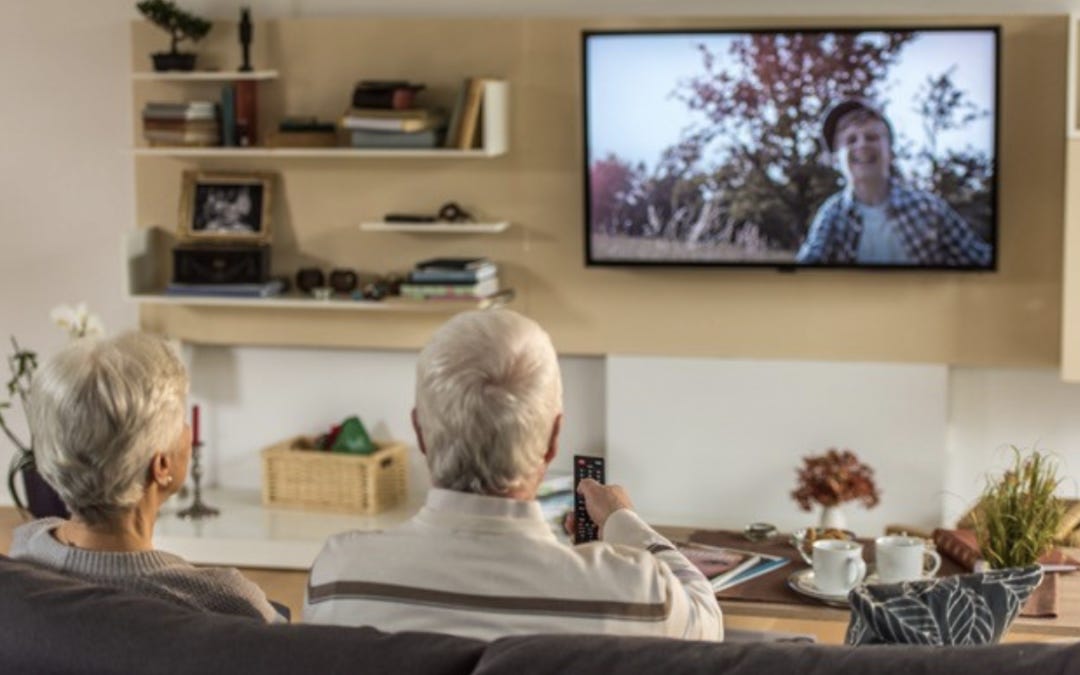
The distinction between primetime and meantime consumption is largely one of intent and engagement. Primetime viewing is an event; it’s something that people plan for, often involving multiple participants, such as family or friends. There’s a cultural aspect to primetime—whether it’s watching the newest episode of a favorite series or viewing a blockbuster movie, the experience is about more than just passing time. Nielsen data reveals that over 60% of American adults continue to watch primetime television weekly, even in the age of digital streaming.
Conversely, Meantime content consumption is opportunistic and spontaneous. People check social media or open a video platform not because they’ve planned to, but because they’re filling time. Meantime content doesn’t demand prolonged attention. A report from GlobalWebIndex found that 54% of users watch short-form videos during downtime, while only 18% plan to do so ahead of time. The content is real more ephemeral, with lower stakes, which perfectly suits the fragmented, multi-tasking nature of modern life.
Production Quality and Format
One of the starkest contrasts between primetime and meantime content is production quality. Primetime content is typically polished, involving professional actors, directors, and production crews. Budgets for primetime shows can range into the millions of dollars per episode. For example, the Netflix series The Crown costs an estimated $13 million per episode. These shows adhere to high production standards because they are meant to captivate viewers for longer stretches of time and are consumed in settings designed for immersive experiences, such as living rooms or home theaters.
In contrast, Meantime content is often produced with minimal equipment—sometimes nothing more than a smartphone—and involves fewer creative personnel. Though professional creators exist in this space, many videos are user-generated. However, what meantime content lacks in production quality, it makes up for in authenticity and immediacy. Many consumers find this raw, unpolished nature appealing because it feels more relatable and genuine. A 2023 survey by Morning Consult found that 58% of Gen Z respondents prefer short, authentic content to polished productions.

Audience Differentiation
Demographics and preferences split between primetime and meantime audiences is another telling difference. Primetime content traditionally attracts an older audience, with a higher proportion of viewers over the age of 35. These viewers tend to value structured programming and are more likely to adhere to appointment viewing. A Pew Research study shows that Baby Boomers and Gen X are more likely to consume content in traditional formats such as cable TV and scheduled streaming services.
On the other hand, Meantime content has become of younger audiences, particularly Gen Z and Millennials. A 2024 Hub Research report showed that 67% of Gen Z consumers spend more time watching videos on social media platforms than they do watching TV or movies. These younger viewers prefer the immediacy and variety of meant, often jumping from one video to the next in rapid succession.
Interestingly, despite these generational divides, there is evidence that meantime consumption is expanding into older demographics as well. For instance, a 2023 survey by eMarketer found that users aged 45–54 spent nearly 40% more time on TikTok than they did the previous year. This suggests that while primetime content remains popular with older generations, consumption habits are becoming more pervasive across all age groups.
Engagement Levels and Monetization
Another significant difference between primetime and meantime consumption lies in audience engagement and the potential for monetization. Primetime content benefits from dedicated engagement, where viewers are more likely to sit through longer commercials or pay for subscriptions. Premium streaming services like Netflix, Disney+, and HBO Max generate billions in revenue from these consumers who are willing to invest not only their time but also their money for a high-quality experience. A McKinsey report noted that streaming services alone saw a revenue growth of over 20% in 2022.
Meantime content, on the other hand, thrives on brief engagements and often algorithm-driven, rapid delivery of content. Platforms like YouTube and TikTok monetize through short ads, often interspersed between videos or appearing as sponsored content within the feed. While the revenue per user in this realm is lower, the sheer volume of engagement often compensates for it. TikTok, for example, reported over $10 billion in revenue in 2023, driven by its ability to deliver millions of micro-interactions daily.
Brands and advertisers are increasingly recognizing the value of meantime content as well. Meantime engagement is often seen as more personal and immediate, providing brands with an opportunity to interact directly with consumers in their everyday moments. Influencer marketing, product placements, and short-form branded content are all ways that companies have begun to monetize meantime consumption. A 2023 Deloitte study found that 60% of Gen Z consumers have purchased products directly from short-form content platforms.

Industry Trends and the Future of Content Consumption
While both primetime and meantime content coexist for the foreseeable future, the trends indicate a clear shift toward meantime consumption as the dominant mode of media engagement, especially for younger audiences. The global consumption of short-form video content is expected to grow by 26% annually through 2025, outpacing the growth of traditional television and even long-form streaming content. A recent TikTok video from a Hollywood producer insider underscored what many have sensing: Gen Z's 17% viewership of TV content signals a "looming crisis" for the Primetime content production industry - and those whose livelihoods depend on it.
As a response, traditional primetime content is evolving. Many streaming platforms are now experimenting with shorter episodes and mini-series formats that appeal to younger, more distracted viewers. In response, traditional networks are also shifting strategies, incorporating interactive elements and trans-platform media storytelling to create more immersive experiences.
This does not mean that primetime content is losing relevance. Instead, the industry is seeing a bifurcation of content consumption patterns. As people’s lives become more fragmented, with less time for long-form engagement, meantime content will continue to dominate the day-to-day media diet. Yet, there will always be space for the more immersive, high-production experiences that primetime offers.
Conclusion
In the evolving landscape of media consumption, primetime and meantime are more than just labels—they represent two distinct modes of audience behavior and engagement. Primetime content offers depth, immersion, and high-quality storytelling, while meantime content provides immediacy, relatability, and convenience. As the lines between these two categories continue to blur, media companies, advertisers, and content creators must understand and leverage both modes to capture the full range of viewer attention.
The terms “primetime” and “meantime” encapsulate the shift in how audiences approach content, reflecting the way media consumption has evolved to suit both dedicated and fragmented attention spans. As these consumption attitudes gain traction within the industry, they may well become the standard framework for distinguishing different types of content engagement, providing a more nuanced understanding of today’s multifaceted media landscape.